
The Hiding Place
Moving into film
Transforming Ministry is now experimenting with film reviews, and Andrew Carr has started the process with a review of The Hiding Place, about Corrie Ten Boom. We are keen for everyone to see this review, as it is a first for us, but we anticipate future reviews being available in the Subscribers’ area of the website.
If you would be interested in reviewing a film for Transforming Ministry, please contact editor@transformingministry.co
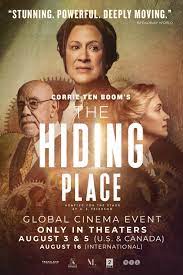 The Hiding Place (2023 USA film)
Certificate: 12A
Runtime: 153 minutes
Director: Laura Matula
Cast: Nan Gurley, John Schuck, Carrie Tillis
Based upon Corrie Ten Boom’s memoir, this is an emotive film version of a stage play of her moving and powerful book. I was reminded of a quote from movie satire The Player (1992) “No stars, just talent!” which summarises the quality of the three lead performances, especially Carrie Tillis (Betsie Ten Boom).
It’s not an easy watch, its subject matter and theme are sombre, turning as they do to a dark page in human history. The staging and lighting with the narrative switching effectively between the characters’ past and their then-present is played out on a revolving stage. The theme broad – Anti-Semitism, Hatred of the Other, the Holocaust; the focus narrow – what would you personally have done in the same situation?
The sequences in Ravensbrück camp are powerful yet understated, the communion scene in particular is extraordinary. It stays with you… ‘forgiveness must first be a scandal if it is to have any power at all’ which is said and shown by Corrie (Nan Gurley) forgiving a former Nazi captor.
Not a film to passively watch, but to be engaged with and to ask ourselves why we are potentially allowing the circumstances that caused the events back then to happen again today?
ANDREW CARR
Recent Comments